


Football has more rules than most fans realise. Five that often surprise people are: a ball that goes flat can stop a goal, goalkeepers are allowed to score, the ball can hit the referee, goalkeepers have a time limit on holding the ball, and a match needs corner flags. Here is how each one works.
The basic rules of football
Football, also known as soccer, is played between two teams of 11 players each. Each team tries to score goals and defend its own goal over 90 minutes, and the team with the most goals wins. These are only the basic rules: even hardcore fans miss some of the rules below.
Read more about football positions and roles.
5 football rules most fans miss
1. Does a goal count if the ball goes flat?
If the ball becomes defective during play, for example it goes flat, the referee stops the match and restarts it with a drop ball. So if the ball goes flat before it fully crosses the goal line, the goal does not count and the ball is replaced before play restarts.
2. Can a goalkeeper score a goal in football?
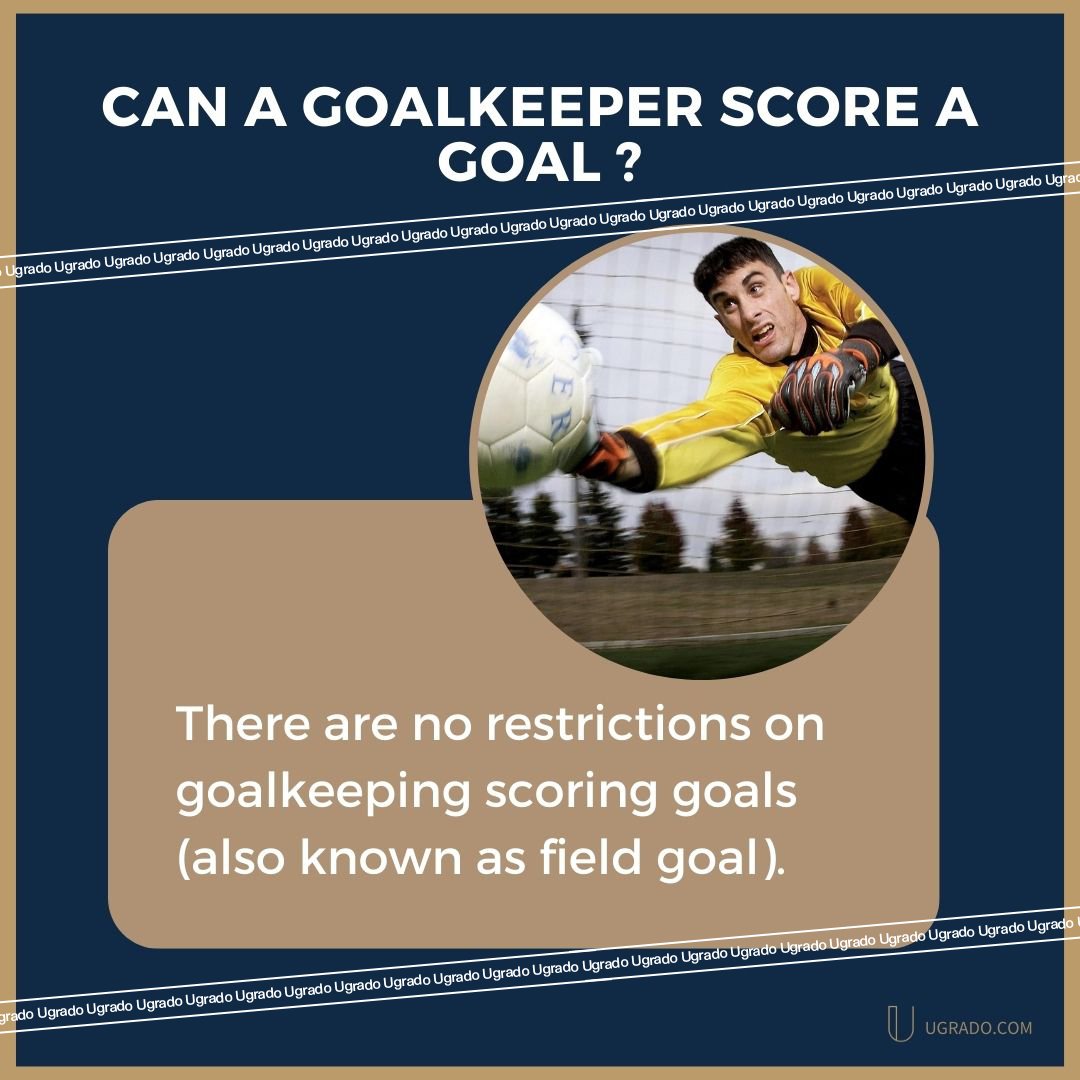
Yes. Nothing in the rules stops a goalkeeper from scoring. It is rare, because goalkeepers spend most of the match defending their own goal in or near the penalty area. A goalkeeper can score with a long kick or from a penalty or free kick. Goalkeepers also help their team attack by making long passes.
3. What happens if the ball hits the referee?
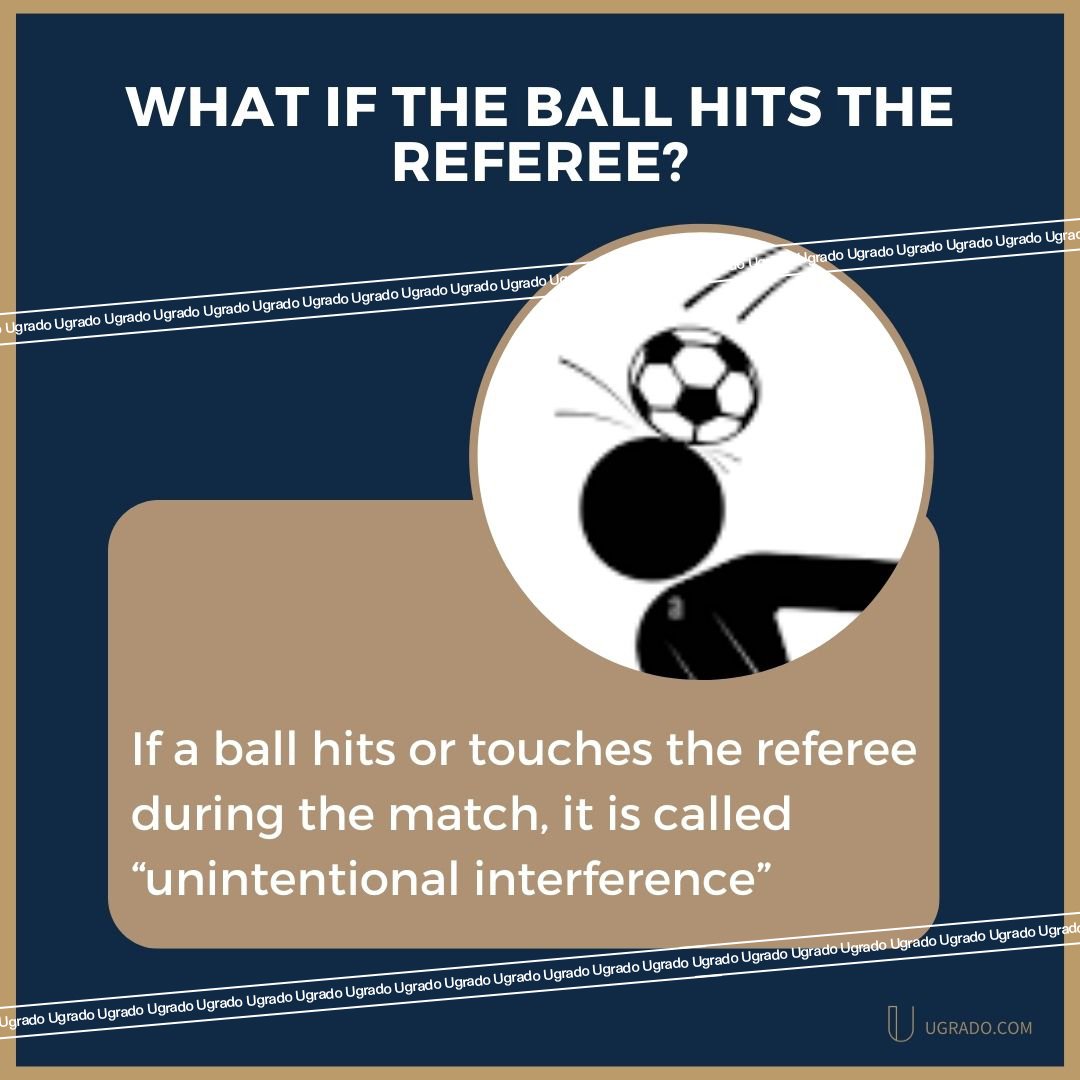
The referee is treated like part of the pitch, much like the goalposts and corner flags: if the ball touches the referee and stays on the field, play usually continues. Play is stopped and restarted with a drop ball only if the touch leads to a goal, a change of possession or a promising attack for one team.
If the ball bounces off the referee and goes out of play, the restart goes to the opponents of the team that touched the ball last. The referee’s decision on the field is final.
4. Goalkeepers have a time limit on holding the ball
Under the Laws of the Game, a goalkeeper may hold the ball in their hands only inside their own penalty area, and only for a limited time:
- A goalkeeper can pick up and hold the ball with their hands inside their own penalty area.
- A goalkeeper may not handle the ball if a teammate deliberately kicks it to them or throws it in directly to them. A pass back with the head, chest or knee can be handled.
- A goalkeeper must release the ball within eight seconds. The referee gives a visible countdown towards the end of that time, and if the goalkeeper holds on for longer, the opposing team is awarded a corner kick.
5. A match cannot start without corner flags
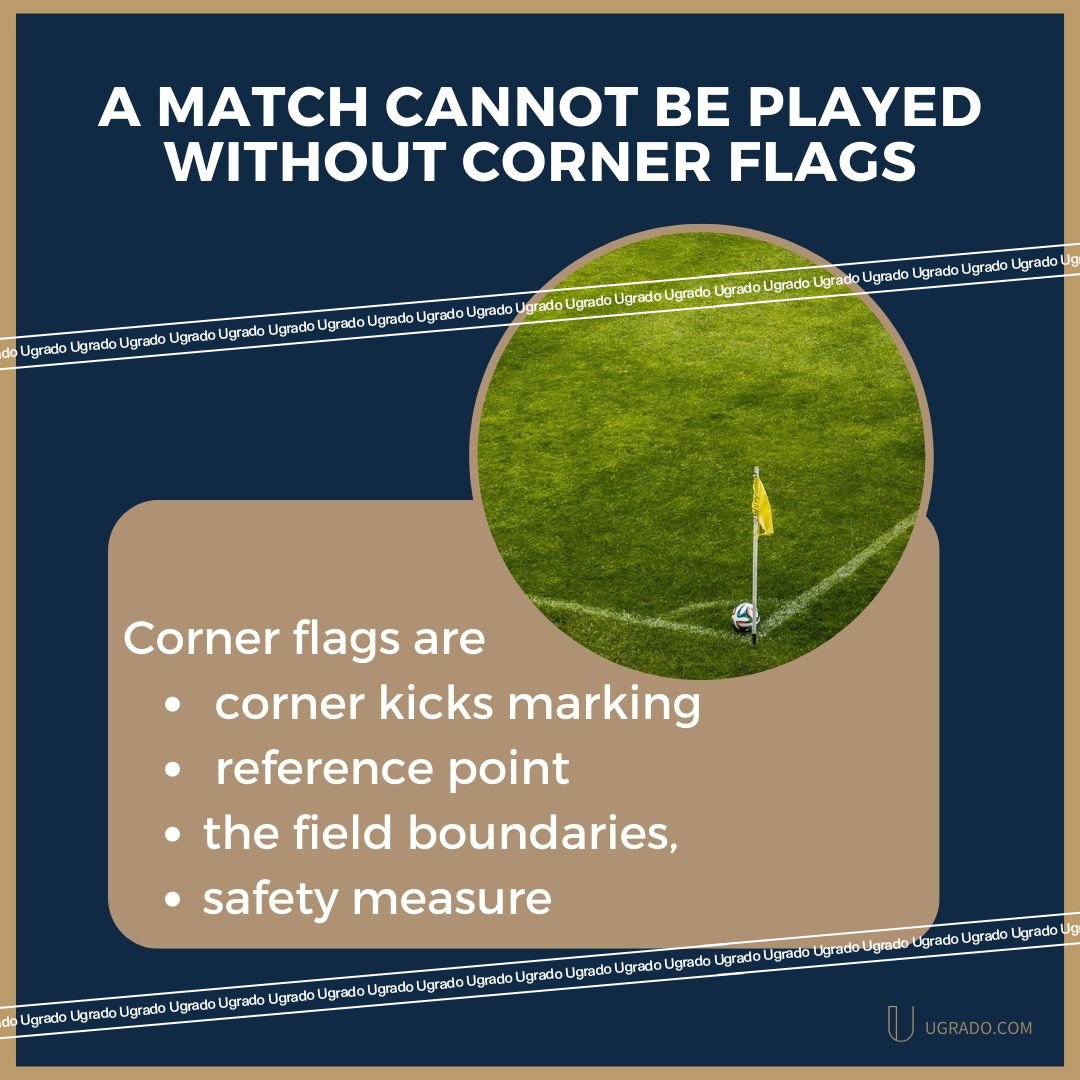
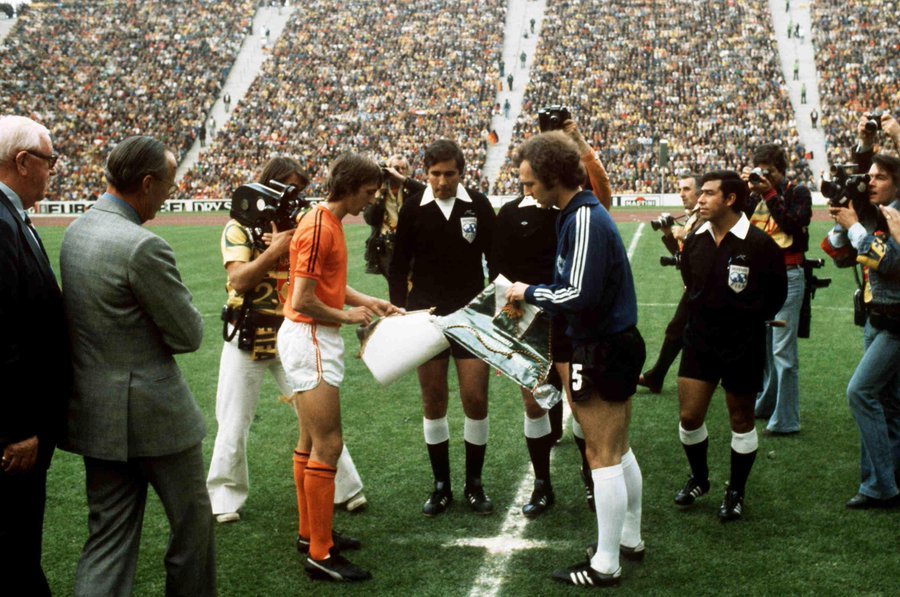
Every corner of the pitch must have a flagpost, so a match should not start without them. Corner flags mark the corners and boundaries of the pitch and show where corner kicks are taken from. This actually happened before the 1974 FIFA World Cup final between West Germany and the Netherlands: the match was delayed because there were no corner flags on the pitch.
Watch the next match with these rules in mind
Now you know five rules that even keen football fans often miss, and you can share them with friends and family. For more football news and guides, visit Ugrado.com.

 Top Bonus Pick