

Ever won on a slot machine, kept playing, and suddenly felt like the game stopped paying?
It can seem as though the slot remembers your previous wins and adjusts the results against you. But is that really possible?
The short answer: casinos track your activity, but regulated slot games can’t change winning probabilities based on your playing history.
Casino platforms record information such as deposits, bets, winnings, and session times. However, the Random Number Generator (RNG) that determines each spin must follow applicable technical standards.
This guide explains what online casinos track, whether loyalty cards can affect slot payouts, how regulators test game fairness, and what happens to your playing data.
Do Online Slots Remember You? How the Game Actually Works?

An online slot has two main components:
- The visible game: Reels, symbols, animations, and sound effects.
- The game engine: A Random Number Generator (RNG) and programmed rules that determine each spin’s outcome.
Your account information, loyalty status and transaction history are generally managed separately by the casino’s platform.
The UK Gambling Commission’s RTS 7A standards require random outcomes to be acceptably random and prohibit adaptive behavior, also known as compensated gaming.
According to the Commission’s glossary, compensated gaming involves adjusting winning probabilities based on previous payouts or money received.
The technical guidance also prohibits manual or automatic changes to outcome probabilities during play and the rejection of random numbers for adaptive purposes.
In simple terms, a compliant slot cannot secretly reduce your chances of winning just because you won on the previous spin.
What About Land-Based Slot Machines?
Similar protections exist for regulated physical slot machines.
Under Nevada’s Regulation 14.040, gaming devices must make all possible outcomes available on every play.
The regulation also prohibits machines from changing their functions based on the actual percentage of wagers retained.
Therefore, a compliant machine cannot automatically adjust its results simply because it has paid out more than expected.
Are Near Misses a Sign That a Slot Remembers You?
Imagine two reels showing matching symbols, while the third stops just one position away from a winning combination.
It may feel as though the game is deliberately teasing you.
However, the UK Gambling Commission’s RTS 7C prohibits games from replacing a losing outcome with a near-miss result to mislead players.
Near misses can occur naturally because losing combinations generally outnumber winning combinations.
A near miss is not evidence that the slot remembers your previous spins or is preparing to award a win.
What Information Do Online Casinos Track?
While the slot’s outcome engine follows its programmed rules, casino platforms can maintain detailed records of player activity.
In regulated markets, some tracking is required for accounting, compliance and responsible gambling purposes.
1. Account, Betting and Session Activity
Online casinos commonly record:
- Deposits and withdrawals.
- Bets placed and winnings credited.
- Session start times and playing duration.
- Account balances and transaction history.
- Loyalty points, bonus wagering progress and games accessed.
Under the UK’s RTS 2E, casino gaming sessions must display a player’s net position, calculated as total winnings minus total losses during the session.
Meanwhile, RTS 13C requires elapsed playing time to remain visible.
Both requirements have applied to relevant online casino products since 17 January 2025.
RTS 13B also provides for reality checks that notify players of elapsed playing time at selected intervals and require acknowledgment before play continues.
These features rely on the platform recording when a session starts and how long it lasts.
2. Monitoring Gambling Behavior
Casinos may also track player behavior to identify potential gambling-related harm.
Under the UK Gambling Commission’s Social Responsibility Code 3.4.3, remote gambling operators must monitor customers from the time their accounts are opened.
Relevant indicators include:
- Total spending and changes in spending patterns.
- Time spent gambling.
- Behavior that may indicate gambling-related harm.
- Customer communications and complaints.
- Use of gambling management tools.
- Account activity and failed deposit attempts.
For example, repeated late-night sessions, increasing deposits, or attempts to recover previous losses may trigger additional monitoring.
These responsible gambling checks identify potential risks and support intervention, not manipulate slot outcomes.
Can Casinos Manipulate Slot Machines With Your Player’s Card?

A common concern is whether inserting a casino loyalty card allows the machine to recognise a player and change their winning chances.
Under Nevada’s technical standards, player tracking systems may not control the RNG or secretly adjust game probabilities.
How Nevada Regulates Slot Machine Software
Nevada requires relevant gaming control programs to receive regulatory approval.
These programs manage functions such as random number generation, game outcomes and the mathematical payout structure.
Regulation 14 treats changes to the control program or theoretical hold percentage as modifications.
Under Regulation 14.110, covered modifications require an appropriately licensed manufacturer and prior written approval from the Chair of the Gaming Control Board.
A casino cannot independently change the approved mathematics for individual players.
Nevada’s Technical Standard 1.400 also requires the RNG to be protected from outside influences, including connected equipment.
This includes player tracking systems.
Such systems may record activity, read machine meters or allocate loyalty points, but they cannot direct the RNG to produce particular results.
Can a Loyalty Card Change Which Games You See?
Yes, in certain circumstances.
Nevada Regulation 14.040(7) allows gaming devices to use player identifiers to determine which games are presented or available for selection.
However, this is different from changing the winning probabilities of the selected game.
Nevada Technical Standard 1.140 also includes safeguards for approved configuration changes. Certain system-connected changes require the device to remain idle, with no active play or credits, for at least two minutes.
For regulated online slots, the UK’s RTS 7B similarly requires random values to be mapped to results according to applicable probabilities and paytables.
Whether you’re a new player, a loyalty member or using an eligible bonus, a compliant game’s outcome probabilities cannot be secretly adjusted based on your personal status.
Do Slot Machines Know When You Win?
Yes, the casino platform records your winnings because it needs to update your account balance and transaction history.
However, recording a win isn’t the same as changing the next spin’s outcome.
In a compliant RNG-based slot, each spin is an independent random event.
The game cannot discard random results simply to compensate for an earlier payout.
Why Do Slots Sometimes Stop Paying After a Win?
The explanation is usually variance, rather than the machine remembering you.
Variance describes how actual results fluctuate around the game’s theoretical average.
For example, a slot with a theoretical Return to Player (RTP) of 96% is mathematically designed to return that percentage across a sufficiently large volume of wagers.
It does not guarantee a 96% return for an individual player or gaming session.
High-volatility slots can produce even greater fluctuations, with long periods without wins and occasional larger payouts.
Our guide to RTP and volatility explains these mechanics in more detail.
There is also a psychological factor. Players may remember losses that occur immediately after a significant win more clearly than ordinary spins.
Our article on how online gambling influences player psychology explores this effect.
How Do Regulators Check That Slots Aren’t Adapting to Players?
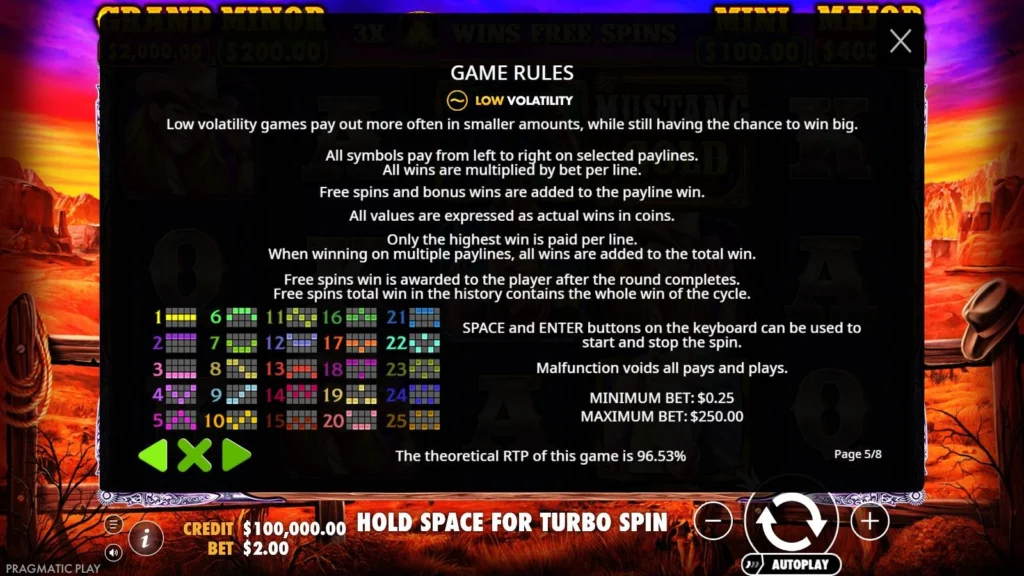
Regulators use technical requirements and independent testing to assess whether slot games operate according to their approved mathematics.
UK Gambling Commission Testing Requirements
In Great Britain, applicable RNG-based casino games must undergo independent testing before release.
Under the Commission’s testing strategy, approved testing laboratories examine RNG outputs, game logic, and the mathematical mapping of random values to results.
After a game goes live, operators must also monitor whether it remains fair and performs in line with its designed RTP.
The testing strategy requires relevant monitoring arrangements to undergo annual independent assessment.
Under RTS 3C, information about RTP or the probability of winning events must be readily available before a player gambles.
Because some providers offer multiple RTP versions of the same title, players should check the information shown inside the game.
Our Pragmatic Play slots with the highest RTP guide also explains how to compare the published figures.
Nevada Gaming Requirements
Nevada’s Regulation 14.040 establishes a minimum theoretical payout of 75% for each available wager on applicable gaming devices.
Technical Standard 1.400 also sets statistical testing requirements for random selection, including a chi-squared test at a 95% confidence level.
These checks help assess whether game results follow the required mathematical and randomization standards.
However, not every gambling website operates under the same rules.
A recognized license and relevant independent certification provide stronger evidence of technical compliance, but they do not guarantee individual winnings or eliminate gambling risks.
How Casino Tracking Can Support Responsible Gambling
Although casino tracking raises questions about privacy, some of the information collected is also used to support responsible gambling measures.
1. Deposit and Financial Limits
From 31 October 2025, UK-licensed operators have been required to prompt customers to set a financial limit before their first deposit.
The rules also require operators to remind customers every six months to review their account and transaction information.
These requirements are explained in the UK Gambling Commission’s consumer protection update.
2. Self-Exclusion Through GAMSTOP
GAMSTOP allows customers to exclude themselves from online gambling operators licensed in Great Britain.
Customers can select an available exclusion period through a single registration.
Licensed operators must participate in the scheme and update their exclusion records at least every 24 hours.
3. Interventions for Potential Gambling Harm
Under Social Responsibility Code 3.4.3, operators must respond when monitoring identifies strong indicators of gambling-related harm.
Appropriate actions may include restricting marketing communications, stopping new bonus offers, or taking further protective measures.
These requirements show how player activity records can support safer gambling practices without changing the mathematical outcomes of individual spins.
If you choose to play, set a budget before your first spin, monitor your spending and use the available limits.
Conclusion: Do Online Slots Really Remember You?
Online casinos can remember your account activity, but regulated RNG-based slots can’t change their winning probabilities based on your previous results.
Casino platforms track deposits, bets, winnings, playing time, and other account information. Meanwhile, the slot’s outcome engine must follow the applicable technical standards governing randomness and game fairness.
Winning streaks and losing streaks are normal features of random games, not necessarily evidence that a slot is responding to your behavior.
Instead of trying to predict the next result, focus on what you can control.
Check the game’s RTP, understand the risks, and manage your gambling budget before playing.
Frequently Asked Questions (FAQs)
The casino platform stores your account, balance, bet history and loyalty status, so in that sense you are remembered. The slot’s outcome engine carries no per player memory into the next spin. Under UK RTS 7A, games may not adjust the likelihood of winning based on previous payouts or intake.
Published rules keep the loyalty system and the game maths apart. In Nevada, only a licensed manufacturer can change the control program and payback settings with prior written regulator approval, and the RNG must be protected from influence by associated equipment such as tracking systems. An identifier may change which games are offered, not the odds.
The platform records the win so it can pay you. The random draw for the next spin is not allowed to compensate for it; UK guidance says random numbers may not be discarded because of adaptive behavior. A cold run after a win is ordinary variance.
In Great Britain, operators must monitor spend, spending patterns, time spent gambling, behavior indicators, customer-led contact, use of gambling management tools, and account indicators from the day an account is opened. The data serves accounting, responsible gambling checks and marketing, not result setting.
No. UK RTS 7C bans substituting losing outcomes with near-miss losing outcomes to mislead the customer, so a near miss must be a genuine random result. Close calls are expected because losing combinations vastly outnumber winning ones.

 Top Bonus Pick