


Can you really tell which slot machine will pay out next? Despite claims about hot machines, lucky positions and perfect spin timing, there is no reliable way to predict the next result of a properly functioning RNG-based slot.
However, that doesn’t mean every slot game is the same.
Two games with similar themes can have different Return to Player (RTP) percentages, volatility levels, betting limits, and bonus features.
The key is knowing how to evaluate a slot machine, not trying to predict when it will win.
This guide covers six practical checks to help you understand a slot’s math, features, and potential risks before you play.
Can You Really Pick a Winning Slot Machine?
The short answer is no slot machine can guarantee a winning session.
Modern regulated RNG-based slots use a Random Number Generator (RNG) to determine outcomes according to their programmed probabilities.
In a standard independent-spin slot, previous results do not make the next spin more or less likely to win.
This means:
- A machine that recently paid a large prize is not necessarily about to stop paying.
- A long losing streak does not mean a win is due.
- Playing at a particular time does not improve the programmed odds.
- Changing machines after a loss does not guarantee a better result.
The idea that a slot is “hot”, “cold” or “due” is a common gambling misconception.
Instead, you can evaluate the game’s published mathematical characteristics, including RTP, volatility, and betting requirements.
For a deeper explanation of how RNG-based games work, read our online slots beginner’s guide.
How to Pick a Slot Machine: The 6-Point Checklist
Before evaluating a slot, review these six factors.
1. Check the RTP and the Game Version
Return to Player (RTP) represents the theoretical percentage of total wagers a slot is designed to return over a very large number of spins.
For example, a game with 96% RTP has a theoretical house edge of 4%.
However, 96% RTP does not mean you’ll receive RM96 back for every RM100 wagered. Individual results can differ significantly from the long-term average.
An important detail is that the same slot can have several RTP versions.
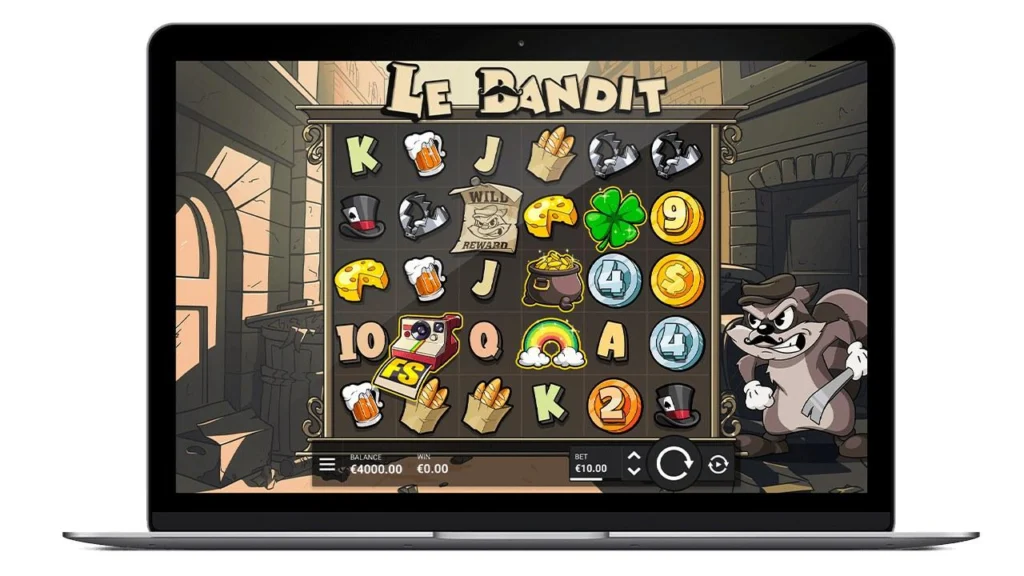
For example, Le Bandit from Hacksaw Gaming lists four configurations:
| Game | Available RTP versions |
|---|---|
| Le Bandit | 96.34%, 94.23%, 92.17%, 88.36% |
| Wanted Dead or a Wild | 96.38%, 94.55%, 92.33%, 88.42% |
The casino may offer a specific approved version, even when the game looks identical across configurations.
This matters because a lower RTP means a higher theoretical house edge over the long run.
What to check: Open the game information or Paytable and look for the RTP displayed in the version you’re using.
For more details, read our guide to RTP and volatility, along with our separate article explaining different RTP versions.
2. Understand Slot Volatility
Volatility describes how a game’s payouts fluctuate. It relates to the distribution of wins, not just the overall theoretical RTP.
In general:
- Low volatility: Tends to produce smaller, more frequent wins.
- Medium volatility: May offer a mixture of smaller and larger payouts.
- High volatility: Can involve longer periods without wins and occasional larger payouts.
Two games may share the same RTP while delivering very different experiences.
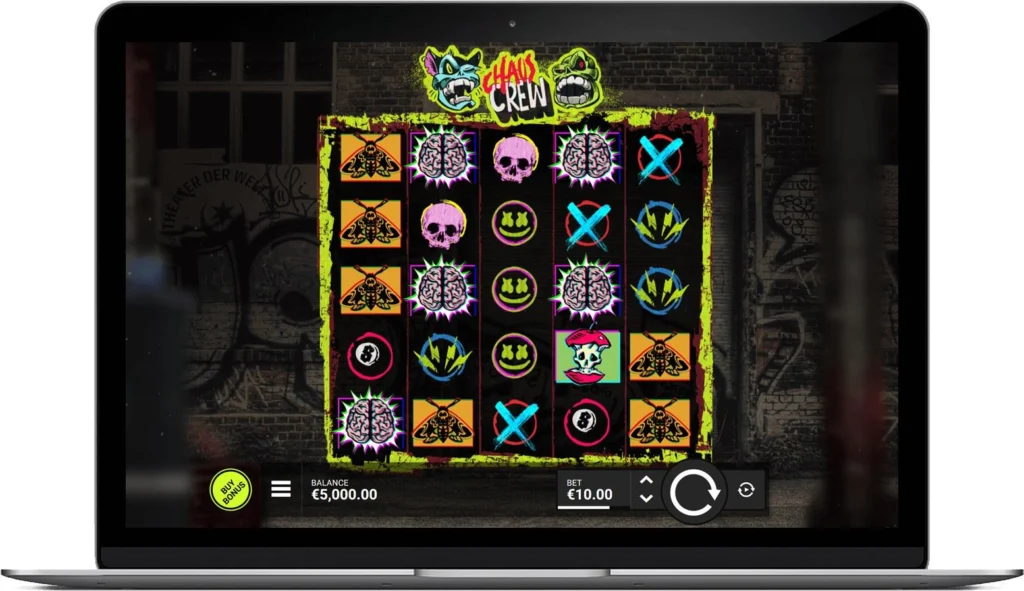
Hacksaw Gaming uses a five-point volatility scale. Examples from the original article include:
| Game | Provider volatility rating |
|---|---|
| Le Bandit | 3/5 |
| Wanted Dead or a Wild | 4/5 |
| Chaos Crew | 5/5 |
A high-volatility game can exhaust a limited budget quickly without triggering a bonus. However, a lower-volatility game is not guaranteed to last longer or return more money during any particular session.
For example, a $50 budget can be depleted rapidly in a high-volatility slot, depending on the wager size and results.
What to check: Look for the volatility rating in the game’s information section or on the provider’s website. Ratings are not always directly comparable between providers.
3. Look for the Hit Frequency, When Available
Hit frequency describes the percentage of spins that produce a winning payout.
For example, a theoretical hit frequency of 25% means approximately one in four spins is expected to produce some payout over a sufficiently large sample.
However, this is a statistical average, not a prediction for every four spins.
Importantly, a winning spin does not necessarily produce a profit.
A spin that costs RM1 and returns RM0.20 may count as a hit, even though the player loses RM0.80 overall.
Hit frequency and RTP measure different things:
- Hit frequency: How often a spin produces any qualifying payout.
- RTP: The theoretical proportion of total wagers returned over the long term.
Not all game providers publish hit-frequency data.
What to check: Refer to official game information where available. If no reliable figure is published, avoid relying on unsupported estimates from forums or short playing sessions.
4. Understand the Maximum Win
Maximum Win, often abbreviated as Max Win, refers to the largest payout a particular game version is designed to award under its rules.
It is usually expressed as a multiple of the total bet.
For example, a maximum win of 10,000× means a theoretical maximum payout of RM10,000 on a RM1 total wager, if that outcome occurs and the applicable rules permit it.
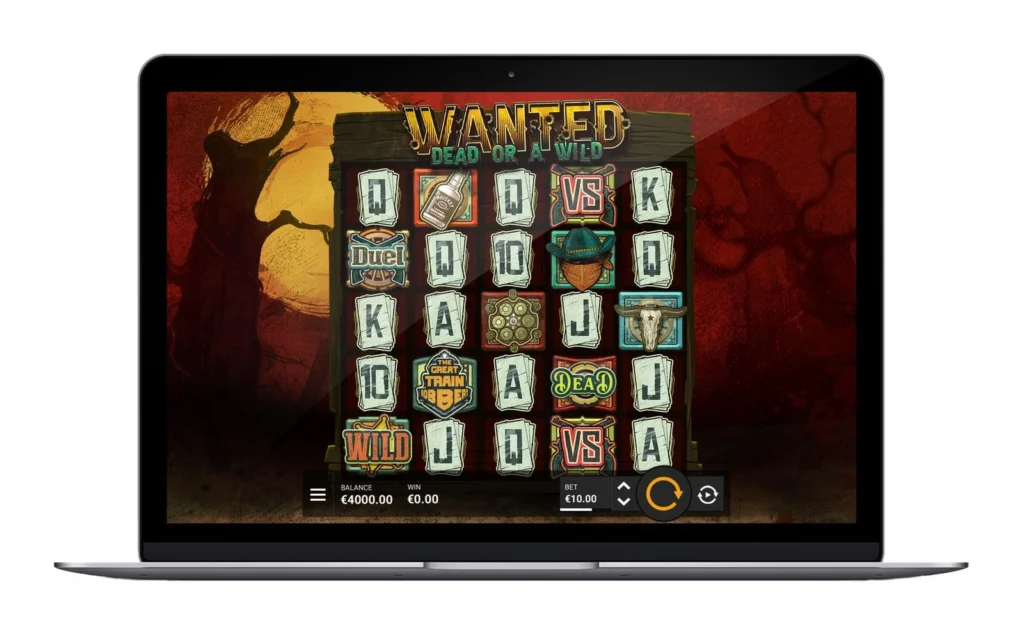
The original article compares several games from Hacksaw Gaming:
| Game | Published maximum win |
|---|---|
| Wanted Dead or a Wild | 12,500× |
| Le Bandit | 10,000× |
| Chaos Crew | 10,000× |
| Keep’em | 10,000× |
A large maximum win can attract attention, but it does not indicate how likely that payout is to occur.
It also does not automatically mean the game has a higher RTP or offers better value.
What to check: Read Max Win alongside RTP and volatility. Two games with identical maximum payouts may have very different payout distributions and probabilities.
5. Compare the Minimum Bet With Your Budget
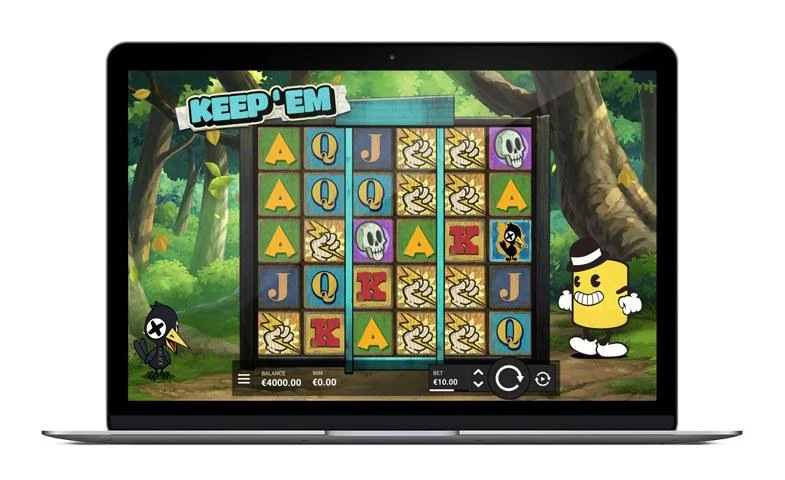
Betting limits are among the most practical details to check because they determine how much each spin costs.
For example, suppose a player sets a fixed entertainment budget of RM20.
| Bet per spin | Spins affordable before any returns |
|---|---|
| RM0.20 | 100 |
| RM0.50 | 40 |
| RM1.00 | 20 |
These calculations assume no winnings are returned and are provided solely to illustrate how bet sizes affect spending.
The original article suggests checking whether a budget could theoretically cover 100–200 spins. This can be used as a comparison metric, but it is not a recommended number of spins to play.
A larger number of affordable spins does not guarantee more entertainment time, a bonus trigger or a better financial outcome.
6. Understand the Features That Interest You
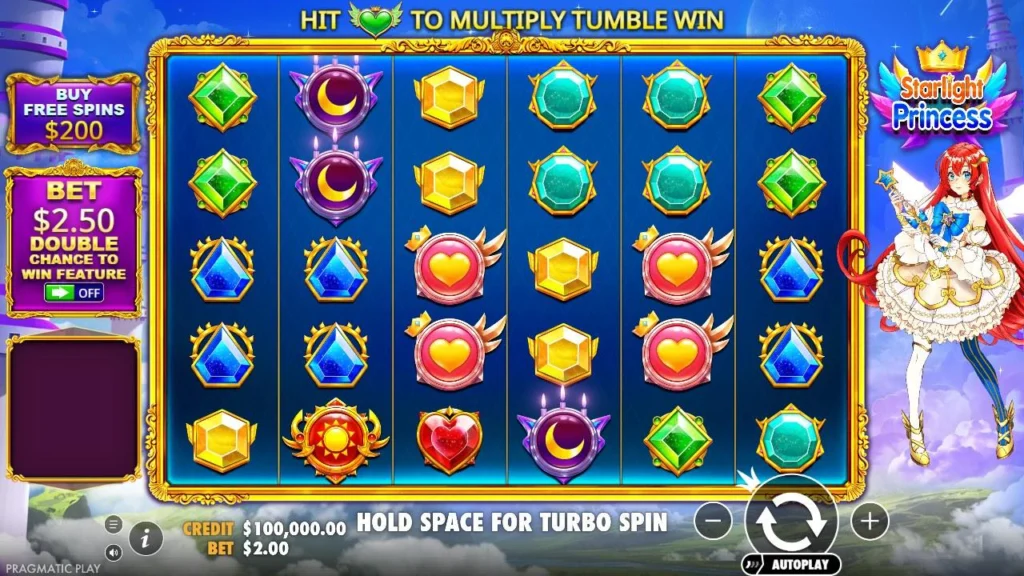
The final checkpoint is understanding the game’s rules and mechanics.
Modern online slots may include:
- Free Spins
- Tumbling or Cascading Reels
- Cluster Pays
- Hold and Win features
- Megaways
- Progressive Jackpots
- Bonus Buy options
These features affect how a game operates, but their presence alone doesn’t mean the game has a better RTP or a higher chance of winning.
Example: Starlight Princess
According to the official Pragmatic Play game page, Starlight Princess includes:
- Winning combinations of 8 to 30 matching symbols appearing anywhere on the grid.
- A Tumble feature that removes winning symbols and replaces them.
- Multiplier symbols ranging from 2× to 500×.
- Fifteen Free Spins triggered by four or more Scatter symbols.
The original article reports a theoretical RTP of 96.50%. Actual RTP may depend on the version offered.
Other games use different mechanics. Le Bandit features Cluster Pays on a 6×5 grid, while Wanted Dead or a Wild uses 15 paylines on a 5×5 layout and includes three bonus games.
Ugrado also provides separate educational guides covering Hold and Win, Cluster Pays, Megaways, and Bonus Buy mechanics.
What to check: Read the Paytable and bonus rules to understand how winning combinations form, what triggers special features and whether any additional costs apply.
Where Can You Find a Slot’s RTP, Volatility and Betting Rules?
- Most online slot games include an information menu, commonly represented by an “i”, “?” or menu icon.
- Open that section to review the following details:
| Information | Where to look |
|---|---|
| RTP | Game Rules, Help or Paytable |
| Volatility | Game information or official provider website |
| Maximum Win | Rules or feature information |
| Minimum / Maximum Bet | Bet settings or coin-value menu |
| Bonus Buy Cost | Feature purchase menu, if available |
| Hit Frequency | Official game documentation, if published |
- Some providers do not display every statistic directly inside the game.
- When information is unavailable, do not assume that a missing volatility rating or hit-frequency figure implies anything about the game’s fairness.
- For more information about symbols and payouts, consult our slot machine terminology guide.
Land-Based vs Online Slots: What’s Different?
One difference between physical casino machines and online slots is how they display game information.
Land-based slot machines: The RTP configuration may be selected from approved options and is not always displayed directly on the cabinet. Players can usually access rules, paylines and betting information, but the exact RTP may require additional documentation.
Online slots: Regulated online markets commonly require relevant information about the likelihood of winning to be available to players. RTP figures may appear within game rules, while providers may also publish volatility and maximum-win information.
However, disclosure requirements vary between jurisdictions.
In either setting, the displayed game information matters more than assumptions about whether a machine has recently paid out.
Can Free Demo Slots Help You Evaluate a Game?
Yes, official demo versions can help explain game mechanics without requiring real-money wagers.
A demo may allow you to examine:
- How the reels and winning combinations work.
- What happens when bonus features activate.
- How multipliers, cascades, or special symbols operate.
- Whether the game’s rules and interface are easy to understand.
However, a short demo cannot reliably measure a slot’s true RTP, hit frequency or volatility.
A few minutes of simulated play is not a statistically meaningful sample.
Demo results also cannot predict whether a future real-money session will be profitable.
Where available, official provider demos are most useful for learning game rules rather than estimating your chances of winning.
Which Slot Machine Should You Choose? A Practical Comparison
Instead of trying to identify a machine that is about to pay out, compare games using information you can verify.
| Your priority | What to evaluate |
|---|---|
| Understanding long-term theoretical returns | Published RTP and available RTP versions |
| Understanding payout fluctuations | Volatility rating and payout distribution |
| Keeping individual wagers affordable | Minimum bet and total budget |
| Comparing potential prize limits | Maximum Win, alongside probability and volatility |
| Learning different mechanics | Paytable, bonus rules and official demos |
| Managing gambling-related risks | Spending limits, session limits and responsible gambling tools |
None of these factors can eliminate the house edge or guarantee a favorable result.
If you decide to participate, set a budget you can afford to lose and avoid treating gambling as a source of income.
Conclusion: Choosing a Slot Is About Understanding the Game, Not Predicting a Win
No reliable method can identify a slot machine that is guaranteed to win.
In standard RNG-based slots, previous outcomes do not determine the next spin.
You can evaluate the game before deciding whether to play.
Start by checking its RTP version, volatility, hit frequency where available, maximum win, betting limits, and bonus features.
These six details help explain the game’s design and potential risks, but they do not overcome its mathematical house edge.
Ultimately, making an informed decision is more valuable than relying on myths about lucky machines, winning streaks, or perfect spin timing.
Frequently Asked Questions (FAQs)
There is no reliable way to identify a standard RNG-based slot that is about to pay out.
Past wins, previous losses, and playing at a specific time don’t make future results more predictable. You can compare a game’s RTP, volatility, betting limits and features, but these do not guarantee a winning session.
RTP is one of the most important figures because it describes the theoretical proportion of wagers returned over the long term. For example, a 96% RTP corresponds to a theoretical house edge of 4%.
However, RTP does not predict an individual session’s outcome. Volatility and betting limits also matter when understanding potential losses.
No. In a standard independent-spin RNG slot, previous results do not increase the probability of a win on the next spin.
A long losing streak does not mean the game is preparing to pay out.
Neither is automatically better. High-volatility games tend to have more uneven payout patterns, potentially including longer periods without wins and occasional larger prizes.
Low-volatility games tend to distribute smaller payouts more frequently. Both can have the same theoretical RTP, and neither guarantees a profitable outcome.
Open the game’s information menu and check its rules or Paytable for the applicable RTP. Some providers offer multiple versions of the same title with different theoretical returns.
If the displayed RTP is lower than another published version, that generally indicates a higher theoretical house edge for the version offered.
An official demo can help you understand a game’s interface, payout rules and bonus mechanics without using real money. However, short demo sessions cannot reliably establish RTP, hit frequency, or the likelihood of future wins.
A demo is a learning tool, not a way to predict real-money results.

 Top Bonus Pick